Stricter Penalties for Running Yellow Lights: Ukraine Transitions to More Precise Traffic Signal Enforcement
Why enforcement is being strengthened
National Police analytics indicate that up to 20% of intersection accidents are related to running prohibitory or ambiguous traffic signals — when drivers try to "squeeze through" on yellow. Such maneuvers often cause side collisions, especially in large cities with heavy traffic.
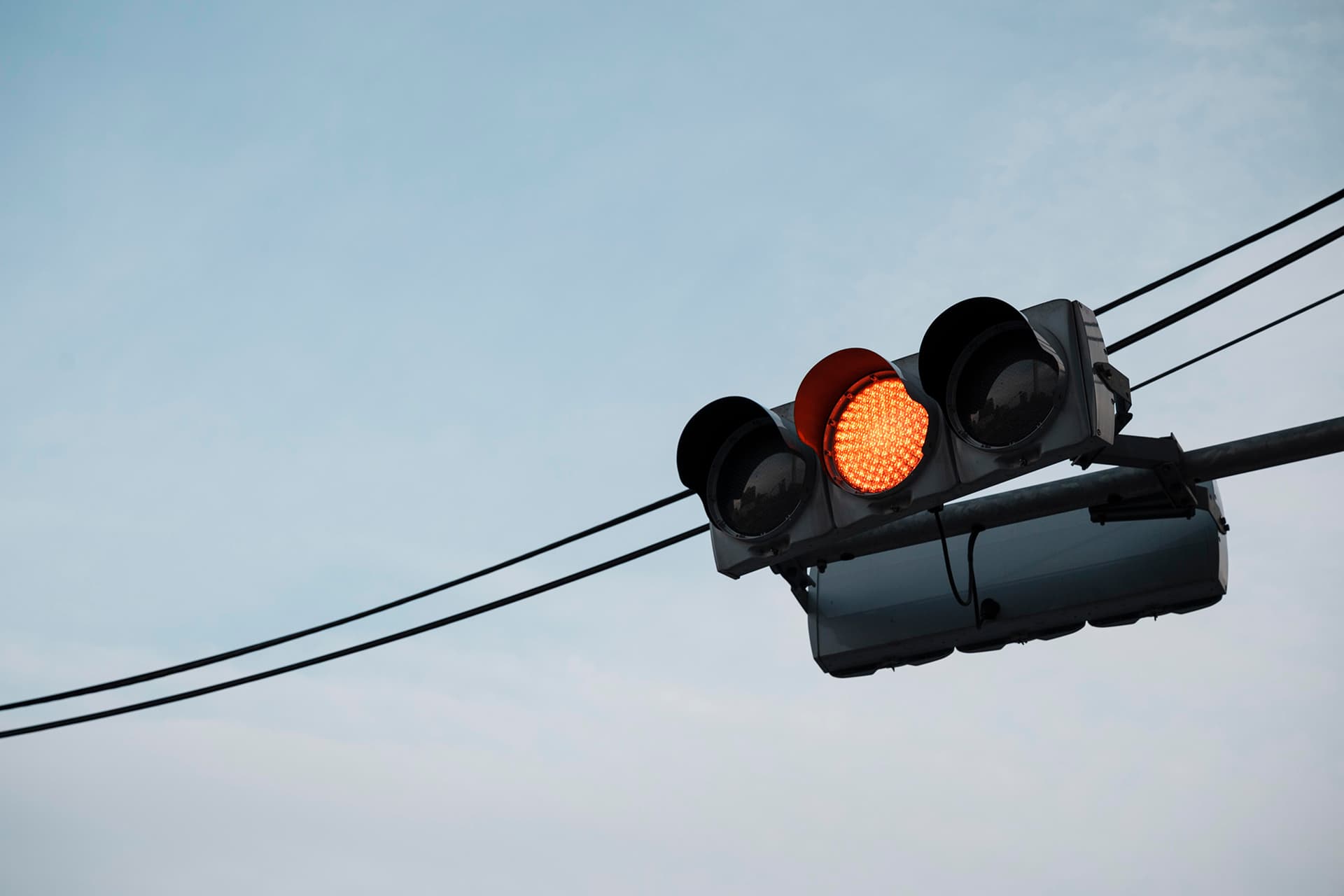
The reform's goal is to reduce accident rates and form a culture of predictable stopping. "Yellow is not a signal to hurry, but a warning about a change in the traffic phase," emphasizes the MIA.
Current legislation: what applies today
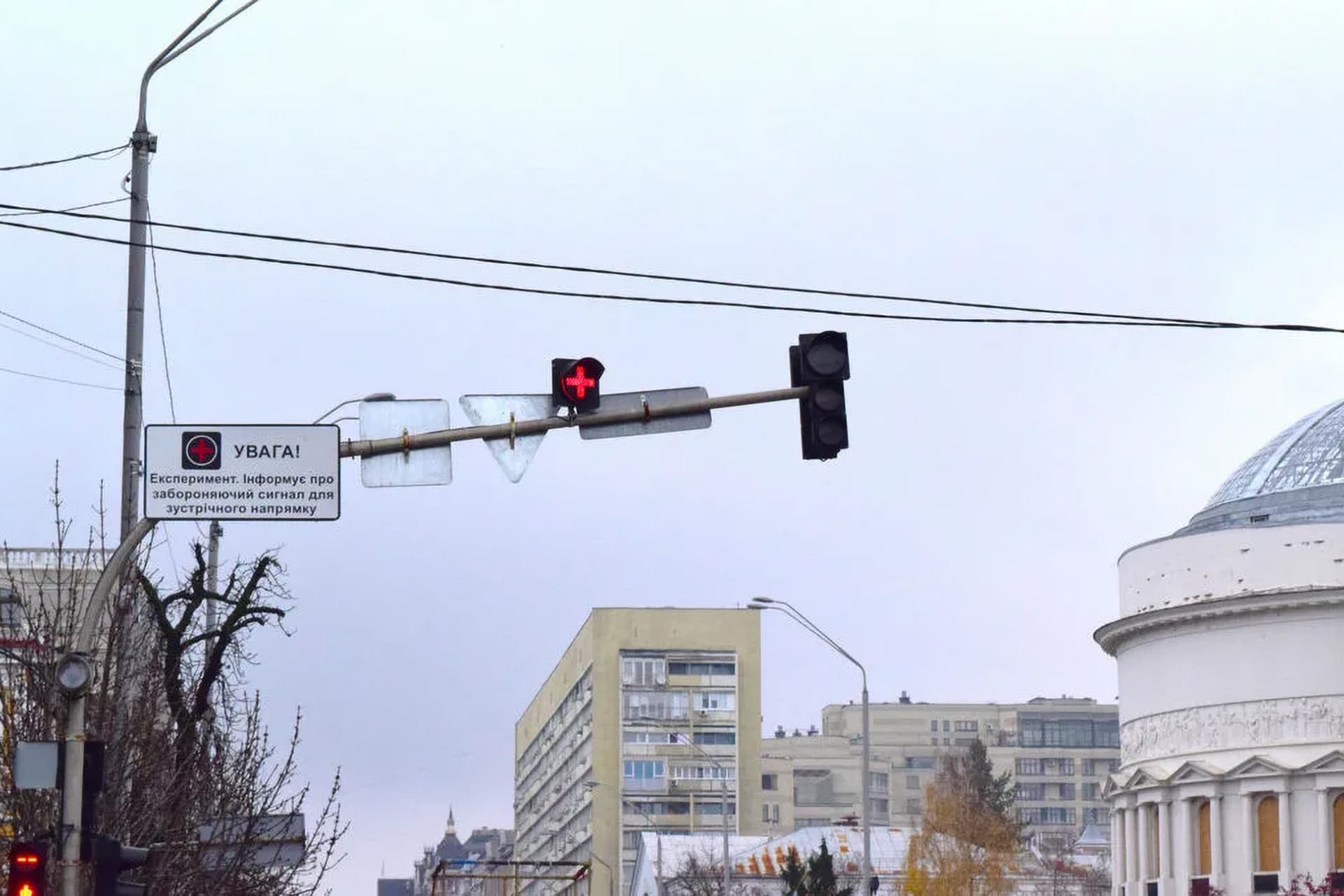
As of the end of 2024, Part 2 of Article 122 of the Code of Ukraine on Administrative Offenses remains in effect, establishing a fine of 510 UAH for running a prohibitory traffic signal or traffic controller gesture. Prohibitory signals include yellow when its activation means movement is prohibited (Clause 8.7.3 of Ukrainian Traffic Rules).
When running a yellow light is not a violation
Ukrainian Traffic Rules provide exceptions. If the driver crossed the stop line before the yellow light was activated, or stopping before the traffic light could have created a dangerous situation (for example, due to sudden braking on a slippery surface) — such actions are not considered violations. This position is recognized by both court practice and police officers when reviewing disputed decisions.
What is changing: automated control and future fines
As part of digitalization of the automated traffic violation recording system, the MIA is preparing camera updates that can precisely synchronize with traffic light cycles. This will allow recording the moment yellow/red signals activate, the vehicle's position relative to the stop line, and the license plate number.
Such technologies are already being tested in Kyiv, Lviv, and Dnipro. After launch into production operation (planned for 2025), traffic light violations will be recorded automatically with the formation of an electronic decision, as currently happens for speeding. More details about the electronic fines system can be found in our article.
Fine increase initiative
The Verkhovna Rada has bill No. 12172, which provides for increased fines for systematic violations of intersection rules. Among the proposals: raise the base fine for running a prohibitory signal to 1,700 UAH; for a repeat offense within a year — 3,400 UAH and possible temporary license suspension.
At the time of publication, the bill has not yet been adopted, but it is supported by the relevant Rada committee. It is expected that in 2025, accountability will become noticeably stricter.
How to avoid fines: practical tips
Reduce speed when approaching an intersection — this will help avoid sudden braking when the signal changes. Maintain distance: if the car ahead stops, you will have room to maneuver.
Assess the traffic light cycle — if the green has been on for a long time, the phase is likely about to change. Don't follow the "flow" — running through "together" after yellow activates often ends in a fine or accident. More about preparing for the theoretical exam can be found in our blog.
Safety impact
In cities where the photo recording system is already in place, police note a 10-15% reduction in dangerous maneuvers. The inevitability of punishment encourages drivers to be more attentive, especially during peak hours. This aligns with the general traffic rules updates aimed at improving safety.
Conclusion
Strengthening accountability for running yellow lights is not just about new fines. It is an attempt to change road culture where every traffic signal means an unambiguous rule. While the main fine remains 510 UAH, with the introduction of automated recording and new norms in 2025, enforcement will become inevitable.
Yellow means stop, not a chance to "make it." Following this simple logic will help avoid fines, save nerves — and lives. For effective exam preparation, we recommend using the opportunities of independent registration for the theoretical exam.