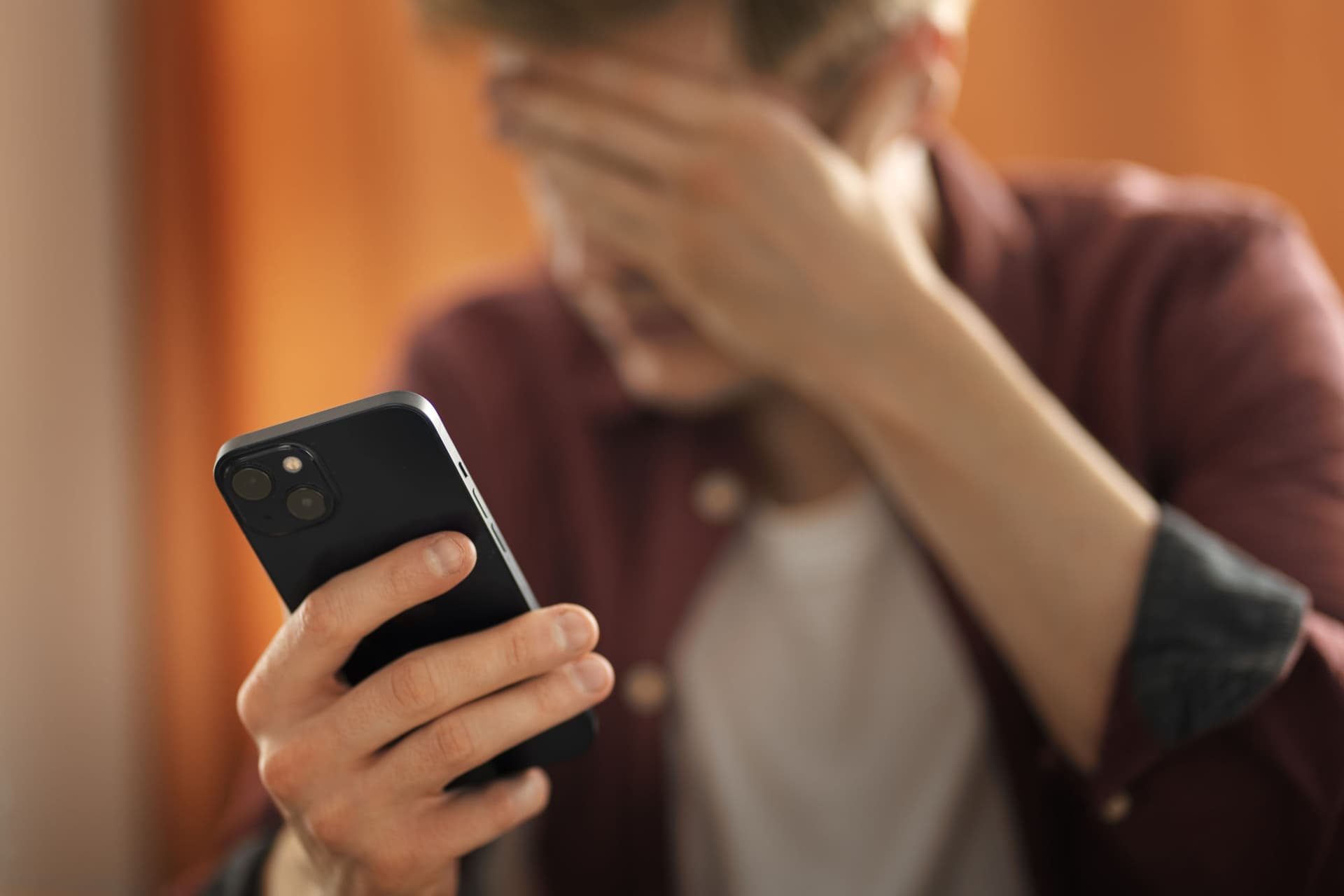
Phone During the Theoretical Exam: How Control Rules Work and Why Results Are Annulled
Candidates for the theoretical exam often worry not only about the difficulty of questions but also about everyday details: a phone in the pocket, notifications, an accidental call. At first glance, this is a trivial matter, but it can nullify all effort. The ban on using communication devices during the test is one of the strictest rules of the procedure, and it is worth understanding its logic rather than treating it as a "formality."
Why a phone is not just a distraction but a risk to results
The theoretical exam is designed to test traffic rules knowledge under equal conditions for everyone. As soon as a candidate has the ability to receive information from an external source, trust in the assessment disappears — even if the person did not intend to cheat. That is why the rule is formulated as unambiguously as possible: any interaction with a phone or other communication devices during testing is treated as a violation.
What exactly can be considered a violation
According to the MSC of the MIA of Ukraine, violations include situations when a candidate answers a call, reads an SMS or messenger message, or uses a device to access information. An important nuance is that the system reacts to the fact of use itself, not the "purpose" of the action. Therefore, the safe strategy is simple: during the test, the phone must be completely "out of play."
Why annulment happens automatically
Automatic annulment is a way to make rules equal for everyone and minimize subjectivity. When the sanction depends on interpretations ("did they manage to read or not," "was the call important or not"), inequality and conflicts arise. A strict rule, on the contrary, creates predictability: the candidate knows in advance that any interaction with the phone means losing the attempt.
Consequences: not just stress but also time loss
The key practical consequence is that after annulment, retaking the exam is allowed no earlier than 10 calendar days later. This is important for those who plan training and the practical stage for specific dates: one careless move can shift the entire schedule.
How to organize the exam so the phone does not become a trap
The simplest solution is to turn off the phone or enable airplane mode before the exam starts. This removes the main trigger — a notification that your hand reaches for automatically. If expecting important calls, it is better to warn loved ones in advance and agree on a "window" when you will definitely be unavailable. At the exam, not only preparation matters but also focus discipline.
Preparation as distraction prevention
The more stable the knowledge, the less "internal panic" and the lower the risk of seeking support in the phone due to stress. A simple formula works: regular practice + clear plan. To start, it is useful to read about effective theoretical exam preparation and understand the procedure in the material about independent exam registration. To avoid studying from outdated sources, pay attention to explanations about official and unofficial questions.
For practice before the exam, you can take training tests and review rules in the Traffic Rules section. If you want to better understand exam organization, the material about random answer order will be useful, and context on ticket changes is provided by the news about test question updates.
Conclusion
The ban on using a phone during the theoretical exam is a rule about fair conditions and concentration. If you prepare systematically and remove "digital" distractions in advance, you reduce the risk of unfortunate situations and increase your chances of passing the test on the first attempt — exclusively through knowledge, not chance.