Electronic Traffic Fines: A New Era of Transparent Enforcement on Ukrainian Roads
What are electronic fines and why they exist
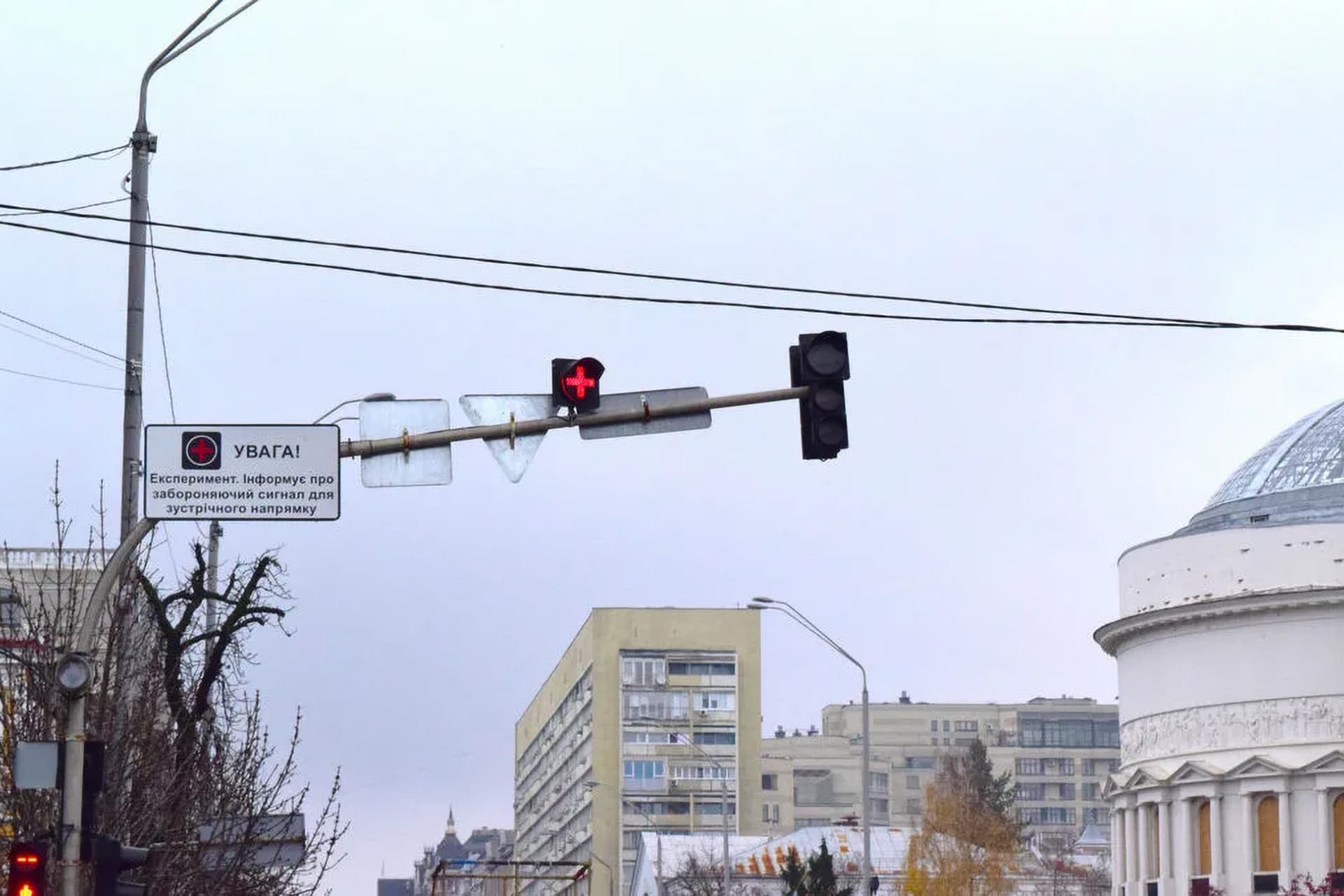
The concept of electronic (automated) fines covers administrative penalties for traffic violations recorded by automated means (cameras, video surveillance systems). A decision is issued based on photo or video evidence, and a notification is sent to the vehicle owner. The system's goal is to reduce corruption risks, improve discipline, and enhance road enforcement effectiveness.
Regulatory framework
Enforcement of traffic rules and imposition of administrative penalties is carried out in accordance with the Code of Administrative Offenses. In 2021, Law No. 1231-IX strengthened liability for certain violations (including speeding, driving under the influence, etc.). The automated photo and video recording system is being implemented gradually in various regions, while digital registries ensure the formation and sending of decisions and the ability to check and pay online.
How the mechanism works: step by step
1) Recording: a camera or other system registers an event (speeding, running a red light, stopping in a prohibited area, etc.). 2) Processing: data is verified (time, location, license plate). If everything is correct — a decision is formed. 3) Notification: the decision is sent to the vehicle owner (often to the vehicle registration address). 4) Online verification and payment: available through official services (including the "Traffic Fines" app, "Diia" and partner solutions).
Deadlines, discounts, appeals
If the fine is paid within the established preferential period (10 days from delivery/notification), a 50% discount applies. Late payment leads to doubling of the amount and transfer of the case for enforcement. The owner has the right to appeal the decision to the police or court within the established period (10 days).
Typical fine amounts (2024)
Guidelines: speeding by 20-50 km/h — approximately 340 UAH; over 50 km/h — approximately 3,400 UAH; running a red light / intersection violations / overtaking in an unauthorized area — approximately 510 UAH; driving without a license or documents — approximately 3,400 UAH; driving under the influence — 17,000 UAH + license suspension for 1 year; repeat offense — 34,000 UAH + suspension for 3 years; unfastened seatbelt / phone without handsfree — 510 UAH; no MTPL insurance — approximately 425 UAH. Note: these are general amounts; specific decisions depend on circumstances and repeat offenses.
Proper user: who the fine is "linked" to
If a vehicle is transferred to another person, the owner can pre-assign a "proper user" so that electronic fines are automatically attributed to the actual driver. The function is available in official e-services (including through the "Driver's Cabinet"/"Diia").
Advantages and challenges
Advantages: process automation, transparency, less "manual" intervention, preferential payment period. Challenges: delayed delivery of notifications to the vehicle registration address, lack of assigned proper user, technical recognition errors, need to appeal individual cases, varying levels of digital literacy.
Practical tips for drivers
— Connect official services and notifications (including in apps). — Monitor open decisions in "Diia". — Register a "proper user" when transferring your vehicle. — Check camera location maps in authorized services. — Don't delay payment to take advantage of the discount. — Appeal decisions through the established procedure if there are grounds.
Digitalization in a broader context
Electronic fines are part of a larger digital transformation of road services. To understand the trend, review materials about electronic accident documentation and practical aspects of e-appointments at service centers. In the news feed, it is also worth paying attention to traffic rules updates, which form the context of road responsibility.
Conclusion
Automated recording and electronic fines increase the predictability and transparency of enforcement. The key to trouble-free interaction is timely notifications, assigning a proper user, payment within the preferential period, and readiness to legally appeal erroneous decisions. This is another step toward a modern and safe road ecosystem.