
53.1. What is the maximum number of passengers, including the driver's seat, that a minibus driver is allowed to carry?
UAЯку максимальну кількість пасажирів, враховуючи місце водія має право перевозити водій мікроавтобуса?
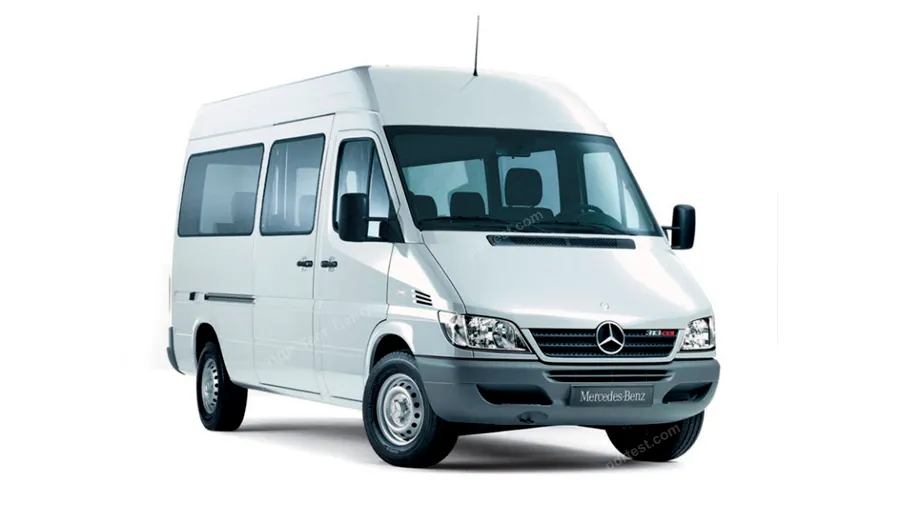
This is a driving exam question from the Traffic Rules of Ukraine concerning the safety of passenger transportation and the correct identification of the type of vehicle. For the driver, this is not just a formality: the number of seats determines the requirements for the license category, eligibility to drive, and responsibility when transporting people. In the theoretical exam, such questions test attention to the wording of traffic rules and the ability to use official terms.
53.2. Choose the correct answer.
UAВиберіть правильну відповідь.
Question without image
This exam question from the Traffic Rules of Ukraine concerns road safety in relation to the technical condition of the vehicle, specifically the serviceability of the braking system. In the theoretical exam, such tasks check whether the driver understands that even a “minor saving” on brake maintenance can lead to dangerous vehicle behavior: pulling to the side during braking, loss of stability, and increased braking distance.
53.3. What can be the consequence of complete wear of the brake pad friction linings?
UAЩо може стати наслідком повного зносу фрикційних накладок гальмівних колодок?
Question without image
This is an exam question from the Traffic Rules of Ukraine concerning the technical condition of a vehicle and road safety, specifically how the state of the brakes affects the ability to stop in time. In real conditions, even a slight loss of braking efficiency increases the braking distance and raises the risk of an accident, so knowing the causes and consequences of brake component wear is important for everyone preparing to take the theoretical exam.
53.4. What function does the pressure limiting valve perform in the pneumatic drive of the front axle brake system?
UAЯку функцію виконує обмежувальний клапан тиску в пневматичному приводі гальмівної системи передньої осі?
Question without image
This exam question from the Traffic Rules of Ukraine concerns road safety through the technical serviceability of the braking system. In a pneumatic brake drive, air pressure directly determines the braking force, and improper distribution of braking effort between the axles can lead to loss of stability and controllability, especially on slippery surfaces. That is why it is important in the theoretical exam to understand the purpose of the elements that control pressure in the brake circuits.
53.5. What is the purpose of the quick-release valve in the pneumatic brake system?
UAДля чого потрібен прискорювальний клапан в пневматичному приводі гальмівної системи?
Question without image
This is an exam question from the Traffic Rules of Ukraine concerning road safety through the technical serviceability of brakes: for trucks and buses with pneumatic drive, not only the presence of brakes is important, but also their response speed and coordination across the axles. When the rear brakes engage with a delay, the braking distance increases and controllability worsens, so such elements of the pneumatic system directly affect safe driving and the results of the theoretical exam.
53.6. Which braking mechanisms are engaged when the engine brake is activated?
UAЯкі гальмівні механізми задіяні під час увімкнення гірського гальма?
Question without image
This is an exam question from the Traffic Rules of Ukraine concerning safe speed control, especially on long descents, when it is important not to overheat the wheel brakes and to maintain control over the vehicle. In real conditions, truck and bus drivers often use auxiliary retardation devices to reduce the load on the service braking system and increase traffic safety.
53.7. What is a receiver?
UAЩо таке ресивер?
Question without image
This exam question from the Traffic Rules of Ukraine concerns road safety through the proper functioning of the braking system, especially on trucks and buses with pneumatic brakes. Understanding the purpose of the main elements of the pneumatic system is important for the driver, since the effectiveness and predictability of braking in real road conditions depend on stable air pressure.
53.8. Where does the air go after releasing the brake pedal?
UAКуди дівається повітря після відпускання педалі гальма?
Question without image
This exam question concerns the safe operation of vehicles and understanding how the brakes work while driving. It is important for a driver not only to know the traffic rules, but also to be aware of what happens in the braking system when the pedal is pressed and released, because the speed of brake release and the serviceability of the actuators affect controllability and stopping distance, and therefore road safety.
53.9. To which component is the brake pedal connected in a pneumatic braking system?
UAДо якого вузла підключена педаль гальма у пневматичній гальмівній системі?
Question without image
This is an exam question from the Traffic Rules of Ukraine concerning road safety through understanding the operation of the braking system in commercial vehicles. The theoretical exam often includes basic principles that help the driver assess the vehicle’s condition before departure and during operation, since the correct functioning of the brakes directly affects the controllability and stopping of the vehicle.
53.10. What is the main advantage of the hydraulic braking system over the pneumatic braking system?
UAУ чому основна перевага гідравлічної гальмівної системи перед пневматичною гальмівною системою?
Question without image
This exam question from the Traffic Rules of Ukraine concerns road safety in relation to the technical condition of the vehicle: how quickly the brakes respond to pressing the pedal determines the timeliness of deceleration and the actual braking distance in a critical situation. For the theoretical exam, it is important to understand that braking efficiency is determined not only by the braking force, but also by the speed of force transmission in the drive, since even a short delay can be decisive in the event of a sudden obstacle.
53.11. Is it allowed to mix coolant fluids of different colors?
UAЧи дозволено змішувати охолоджувальні рідини різних кольорів?
Question without image
This exam question from the Traffic Rules of Ukraine concerns the safe technical operation of a vehicle and the prevention of malfunctions that can lead to engine overheating, leakage, or corrosion of cooling system components. The theoretical exam tests not only knowledge of road situations but also a basic understanding of how a driver's actions affect the technical condition of the vehicle and, accordingly, road safety.
53.12. How will a loss of tightness in the brake chamber on one side affect the vehicle during braking?
UAЯк позначиться на автомобілі порушення герметичності гальмівної камери з одного боку під час гальмування?
Question without image
This is an exam question from the Traffic Rules of Ukraine concerning road safety and the technical condition of the vehicle, specifically the operation of the braking system. During braking, the car must maintain stability and a straight trajectory, and any deviations in controllability are a dangerous sign of malfunction, which directly affects the braking distance and the risk of an accident.
53.13. How can you determine by a drop of engine oil that coolant has entered the lubrication system?
UAЯк визначити за краплиною моторної оливи потрапляння в систему мащення охолоджувальної рідини?
Question without image
This is an exam question from the Traffic Rules of Ukraine (PDR) concerning road safety due to the driver's obligation to monitor the technical condition of the vehicle before a trip and during operation. Hidden engine malfunctions can quickly develop into a dangerous situation on the road (loss of power, overheating, seizing), so the traffic rules require not to drive a technically faulty vehicle.
53.14. A vehicle of category D1 is considered to be a motor vehicle that is structurally designed to carry no more than:
UAТранспортним засобом категорії D1 вважається механічний транспортний засіб, конструктивно призначений для перевезення не більше:
Question without image
This exam question from the Traffic Rules of Ukraine concerns the classification of vehicles and is directly related to the safety of passenger transportation. Correctly determining the category of a bus affects the requirements for the driver, eligibility to operate the vehicle, as well as preparation for the theoretical exam, where basic terms and threshold values are often tested.
53.15. The term 'route vehicle' means:
UAПід терміном «маршрутний транспортний засіб» мається на увазі:
Question without image
This exam question from the Traffic Rules of Ukraine concerns basic definitions in the traffic regulations and helps to correctly identify participants and priorities on the road. Understanding which vehicles are considered route vehicles is important for safety and for predicting maneuvers: such vehicles often make regular stops, depart from stops, and move according to a defined scheme, which affects the actions of other drivers in the flow.
53.16. Is it permitted to exceed the engine oil level during its replacement?
UAЧи дозволено перевищувати рівень моторної оливи під час її заміни?
Question without image
This exam question from the Traffic Rules of Ukraine concerns the safe operation of a vehicle and the driver's responsibility for the technical condition of the vehicle. The theoretical exam often includes topics not only related to maneuvering or signs, but also to the basic requirements of traffic rules regarding vehicle serviceability, since a faulty engine or fluid leaks directly affect the safety, reliability, and environmental friendliness of driving.
53.17. How often is it necessary to drain water from the fuel filter-separator on vehicles with diesel engines?
UAЯк часто необхідно зливати воду з фільтра-відстійника на транспортних засобах з дизельними двигунами?
Question without image
This exam question from the Traffic Rules of Ukraine concerns the technical condition of the vehicle and the prevention of malfunctions in the diesel engine's fuel system. The accumulation of water in the fuel is a real threat: it settles at the bottom of the sediment filter, worsens lubrication, promotes corrosion, and can cause failures in the pump and injectors. For road safety, it is important that the driver understands not only the rules of maneuvering but also the basic maintenance requirements for the vehicle, which directly affect reliability while driving.
53.18. Indicate the method for determining the cause of unstable idle speed.
UAВкажіть метод визначення причини нестабільних обертів холостого ходу.
Question without image
This exam question is focused not on the direct requirements of road safety, but on the technical condition of the vehicle and the driver's ability to recognize typical signs of engine malfunctions. Unstable idle speed can lead to sudden engine stoppage at a traffic light or in a traffic jam, complicate the start of movement, and create dangerous situations. Therefore, this topic is useful for preparing for the theoretical exam even when it goes beyond the literal norms of the traffic rules.
53.19. Indicate the method for determining the reason why the engine does not start when the starter is turning.
UAВкажіть метод визначення причини, з якої двигун не запускається, коли обертається стартер.
Question without image
This exam question focuses on the practical aspect of vehicle operation: what to do when the starter turns the engine, but it does not start. For the driver, this is important both from the perspective of road safety and trip organization: a malfunction can lead to a forced stop, delay, or dangerous situations on the roadway. Although the traffic rules do not directly describe repair algorithms, such topics often appear in theoretical exam preparation as basic knowledge of the technical condition and serviceability of the vehicle.
53.20. Indicate the method for determining the cause of a sudden increase in steering wheel effort.
UAВкажіть метод визначення причини різкого збільшення зусилля на кермовому колесі.
Question without image
This exam question from the Traffic Rules of Ukraine concerns road safety through the technical serviceability of the steering system. A sudden increase in steering effort is a dangerous sign: the vehicle responds worse to the driver's actions, and the risk of losing control increases, especially during maneuvers. That is why the traffic rules require checking the technical condition before driving (point 2.3) and prohibit operating a vehicle with steering or power steering malfunctions (points 31.4 and 31.4.1).
53.21. Indicate the method for determining the cause of excessive wear of the steerable wheels' tires.
UAВкажіть метод визначення причини надмірного зношення шин керованих коліс.
Question without image
This is an exam question from the Traffic Rules of Ukraine (PDR) concerning road safety through the technical condition of the vehicle: uneven or accelerated wear of the tires on the steering wheels often indicates a hidden problem with handling and stability. Such malfunctions can lead to the vehicle deviating from straight-line movement, poorer control at speed, and increased braking distance. Therefore, according to the traffic rules, the driver is obliged to monitor the serviceability of the vehicle and not allow operation when there are deviations from standards.
53.22. Indicate the methods for determining excessive wear of brake pads only on one side of the vehicle.
UAВкажіть методи визначення надмірного зношення гальмівних колодок тільки з одного боку автомобіля.
Question without image
This exam question from the Traffic Rules of Ukraine concerns road safety through the technical serviceability of the braking system. Uneven or excessive wear of brake pads on one side is dangerous because the right and left wheels brake differently: the car may "pull" to one side, the braking distance increases, and extraneous noises and vibrations appear. For the driver, this is not only a matter of comfort, but also a direct risk of losing control in a critical situation.
53.23. Name the type of braking system most commonly used in trucks and buses.
UAНазвіть тип гальмівної системи, що найчастіше застосовується у вантажних автомобілях і автобусах.
Question without image
This exam question from the Traffic Rules of Ukraine concerns the technical condition of vehicles and is directly related to road safety. Understanding how braking systems work on different types of vehicles is important for the driver, since brakes determine the ability to stop the vehicle in time, maintain distance, and drive safely in difficult conditions (descents, passenger transport, driving with cargo). The traffic rules emphasize compliance of the technical condition with standards and manufacturer documentation (p. 31.1) and the driver's obligation to check serviceability before departure (p. 2.3 "a").
53.24. How can you determine the side for installing a wheel and tire with a directional tread pattern?
UAЯк дізнатися сторону встановлення колеса і шини з направленим малюнком протектора?
Question without image
This is an exam question from the Traffic Rules of Ukraine concerning road safety through the proper technical condition of the vehicle. Properly installed tires directly affect road grip, water drainage, and handling stability, especially when driving on wet surfaces. For the driver, this is a practical skill that helps avoid premature tire wear, loss of control, and unnecessary risks on the road.
53.25. Name the main purpose of the ignition system.
UAНазвіть основне призначення системи запалювання.
Question without image
This exam question from the Traffic Rules of Ukraine concerns the technical condition of a vehicle and the safe operation of a means of transport. Understanding the purpose of key engine systems is important not only for the theoretical exam, but also for everyday road safety: if the engine runs erratically or fails to start, the driver may create a dangerous situation even before setting off or while maneuvering.
53.26. What is the purpose of the starter?
UAДля чого служить стартер?
Question without image
This is an exam question from the Traffic Rules of Ukraine concerning the general topic of the construction and operation of a mechanical vehicle, and is directly related to the safe preparation of a car before starting to drive. Understanding the purpose of key components helps the driver act correctly during engine start-up, avoid unnecessary loads on the electrical system, and prevent common mistakes that could lead to vehicle failure even before entering the road.
53.27. In what sequence should the terminals be disconnected from the battery terminals?
UAУ якій послідовності необхідно від'єднувати клеми від виводів акумуляторної батареї?
Question without image
This exam question from the Traffic Rules of Ukraine concerns the safe technical maintenance of a vehicle and the prevention of hazardous actions when working with electrical equipment. In real-life conditions under the hood, a single accidental touch of a metal wrench to the car body is enough to cause a short circuit, sparking, wiring damage, or failure of electronics. Therefore, knowing the correct sequence of actions directly affects the driver's safety and the serviceability of the car, which meets the general requirements of the traffic rules regarding the prevention of danger.
53.28. What is the purpose of the engine cooling system?
UAДля чого потрібна система охолодження двигуна?
Question without image
This exam question from the traffic rules concerns the technical condition of the vehicle and its safe operation. The stable functioning of the engine directly affects the reliability of the vehicle on the road: overheating or overcooling can cause loss of power, increased wear, risk of component failure, and, as a result, a dangerous situation while driving. That is why it is important to understand the purpose of the basic vehicle systems for the theoretical exam on the Traffic Rules of Ukraine.
53.29. What is the purpose of using engine oil?
UAДля чого необхідне використання моторної оливи?
Question without image
This is an exam question from the Traffic Rules of Ukraine concerning the technical condition of a vehicle as an important component of road safety. Understanding the role of engine oil is directly related to the reliability of the engine during a trip: a lack of oil or its improper condition can cause overheating, accelerated wear, and sudden malfunctions while driving, which creates risks for the driver and other road users.
53.30. Why is it recommended to change engine oil during the winter period?
UAДля чого рекомендується замінювати моторну оливу в зимовий період?
Question without image
This exam question from the Traffic Rules of Ukraine concerns the safe operation of a vehicle during the cold season and the role of maintenance in preventing breakdowns and emergency situations. In winter, it is especially important for the engine to start reliably and for all components to operate in normal mode, since malfunctions or incorrect selection of technical fluids can affect controllability and overall road safety.
53.31. From where in the fuel system of a diesel engine is it necessary to periodically drain water?
UAЗвідки в паливній системі дизельного двигуна необхідно періодично зливати воду?
Question without image
This exam question from the Traffic Rules of Ukraine concerns the technical condition of the vehicle and road safety. The theoretical test often includes basic knowledge about the driver's responsibilities regarding vehicle maintenance, since engine and fuel system malfunctions can lead to stopping in traffic, loss of power, unstable engine operation, and the creation of dangerous situations on the road.
53.32. What does the valve timing mechanism include?
UAЩо включає в себе газорозподільний механізм?
Question without image
This exam question is focused not on maneuvering rules or signs, but on the driver's technical literacy: understanding the basic structure of the engine and the components on which the stable operation of the vehicle depends. Although the Traffic Rules of Ukraine do not directly regulate the composition of the valve timing mechanism, such topics are included in preparation for the theoretical exam because they help the driver properly assess the technical condition of the vehicle and avoid malfunctions that may affect road safety.
53.33. What are the main components of an internal combustion engine?
UAЗ яких основних частин складається двигун внутрішнього згоряння?
Question without image
This exam question is focused not on road behavior rules, but on basic knowledge about the structure of a car, which a driver needs to understand how the vehicle operates and to timely detect malfunctions. Although the Traffic Rules of Ukraine do not directly describe the construction of the engine, related topics that affect the safety and serviceability of the car during driving according to the road rules are often included in the theoretical exam.
53.34. Is an ignition system required for a diesel engine?
UAЧи потрібна система запалювання для дизельного двигуна?
Question without image
This is an exam question from the Traffic Rules of Ukraine concerning the technical serviceability and completeness of a vehicle, which directly affects road safety. In the theoretical exam, it is important to understand which systems are mandatory specifically for your engine type in order to correctly assess the condition of the car before departure and not to confuse the different operating principles of gasoline and diesel engines.
53.35. What is the purpose of the clutch in the transmission?
UAДля чого необхідна муфта зчеплення в трансмісії?
Question without image
This exam question concerns the technical basics of driving a car, which directly affect safety and smoothness of movement. Although the traffic rules regulate driver behavior on the road, it is important for successful driving to understand how the main components of the car work: without sudden jerks, without overloading the units, and with the ability to precisely control traction during starting, stopping, or changing speed.
53.36. For what purpose is wheel balancing performed?
UAДля чого здійснюють балансування шин?
Question without image
This exam question from the Traffic Rules of Ukraine concerns the technical condition of the vehicle and road safety. Even a slight imbalance in a wheel while driving can cause vibrations felt in the steering wheel and body, worsen handling, and create dangerous conditions at speed. Therefore, understanding the causes of wheel "wobble" directly affects the safe operation of the vehicle and is important for preparation for the theoretical exam.
53.37. What types of tires are there?
UAЯкі бувають типи шин?
Question without image
This exam question from the Traffic Rules of Ukraine concerns the technical condition of wheels and road safety. Understanding the types of pneumatic tires is necessary for the driver to properly operate the vehicle: tires cushion impacts from road irregularities, provide traction, and affect handling and braking distance, and are therefore directly related to safety while driving.
53.38. Is it necessary to replace the oil filter when changing the engine oil?
UAЧи потрібно замінювати оливний фільтр під час заміни моторної оливи?
Question without image
This exam question from the Traffic Rules of Ukraine concerns not maneuvers or signs, but the technical condition of the vehicle as a component of road safety. The theoretical test checks the understanding that the driver is responsible not only for following the traffic rules on the road, but also for ensuring the proper condition of the car before departure, since a faulty or poorly maintained engine increases the risk of breakdowns while driving and dangerous situations.
53.39. What will happen if the engine oil level is significantly exceeded?
UAЩо буде, якщо значно перевищити рівень моторної оливи в двигуні?
Question without image
This is an exam question from the Traffic Rules of Ukraine concerning the technical condition of the vehicle and road safety. The state of the engine directly affects the reliability of the car while driving: sudden loss of lubrication can lead to overheating, seizing, or a sharp drop in power, creating a dangerous situation on the road. That is why the traffic rules require drivers to check the technical condition of the vehicle before setting off.
53.40. Which of the following options describes the viscosity of engine oil according to SAE?
UAЯкий з перелічених нижче варіантів є описом в'язкості моторного масла за SAE?
Question without image
This exam question from the Ukrainian Traffic Rules concerns the safe operation of a vehicle and the technical serviceability of the vehicle. Understanding motor oil labeling directly affects the reliability of engine operation, ease of cold starting, and protection of parts from wear, and therefore indirectly increases road safety during daily use.
53.41. Is it allowed to mix coolant fluids of different colors?
UAЧи можна змішувати охолоджувальну рідину різних кольорів?
Question without image
This exam question from the Traffic Rules of Ukraine is not about maneuvers or signs, but about the technical condition of the vehicle as a component of road safety. The cooling system directly affects the reliability of the engine: improper actions with the coolant can cause overheating, corrosion, radiator contamination, and failure of components, which creates risks on the road while driving.
53.42. What is the purpose of an inter-wheel differential?
UAДля чого потрібен міжколісний диференціал?
Question without image
This exam question focuses on the safe and smooth handling of a vehicle in turns, and is therefore directly related to driving practice and maintaining tire grip on the road. While the traffic rules regulate maneuvering and the choice of safe speed, the theoretical exam also checks basic understanding of how the vehicle’s technical components help fulfill these requirements without jerks, wheel slip, or unnecessary tire wear.
53.43. What is the risk of incomplete disengagement of the clutch when the clutch pedal is not fully depressed?
UAЧим загрожує неповне вимкнення зчеплення не до кінця натиснутою педаллю зчеплення?
Question without image
This is an exam question from the Traffic Rules of Ukraine concerning the safe and proper technical operation of a vehicle with a manual gearbox. In practice, working with the clutch pedal affects not only driving comfort but also the lifespan of key transmission components: mistakes during shifting can cause grinding, jerks, and accelerated wear of parts, which ultimately affects the reliability of the vehicle while driving.
53.44. What does the term 'clutch drag' mean?
UAЩо означає поняття «веде зчеплення»?
Question without image
This is an exam question from the Traffic Rules of Ukraine concerning the technical condition of a vehicle and road safety. The proper functioning of the clutch directly affects the controllability of the car and the ability to start moving and shift gears safely without jerks or loss of control. Therefore, such malfunctions are considered in the traffic rules as grounds for prohibiting vehicle operation.
53.45. The following are considered road trains (vehicle combinations):
UAДо автопоїздів (транспортних составів) належать:
Question without image
This is an exam question from the Traffic Rules of Ukraine (PDR) concerning basic definitions, without which it is impossible to correctly understand the requirements of traffic regulations and safely interact with other participants. Recognizing vehicle combinations is important for assessing their dimensions, maneuverability, and braking distance, since such vehicles take turns differently, require greater spacing, and pose increased risks during overtaking and passing.