
23.1. Under what conditions is towing of a vehicle with a faulty braking system on a rigid tow allowed?
UAПри дотриманні яких умов дозволяється буксирування транспортного засобу з несправною гальмовою системою на жорсткому зчепленні?
Question without image
This is an exam question from the Traffic Rules of Ukraine concerning safety during towing, when one vehicle is forced to pull another in a faulty condition. The greatest risk in such a situation arises during braking: a vehicle without functioning brakes is essentially unable to assist in deceleration and may "push" the towing vehicle, increasing the braking distance and creating a risk of loss of control. That is why the traffic rules establish clear restrictions, which are important to know for the theoretical exam.
23.2. A rigid coupling must ensure a distance between vehicles of no more than:
UAЖорстке зчеплення повинно забезпечувати відстань між транспортними засобами не більше ніж:
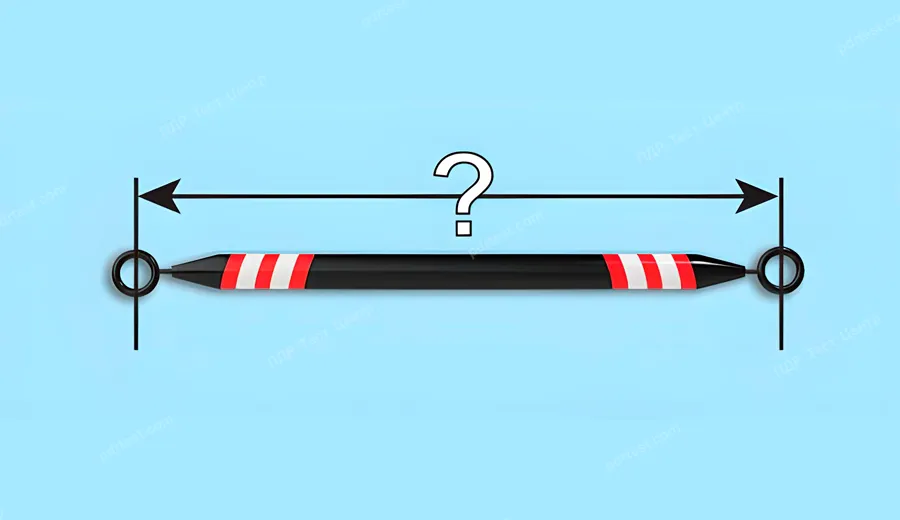
This exam question focuses on safety during towing and the controllability of a vehicle combination. When one car tows another, it is critically important to maintain a predictable distance between them: too great a distance complicates maneuvering, increases the deviation of the towed vehicle’s trajectory in turns, and raises the risk of dangerous situations in traffic. That is why the traffic rules set clear limits for different types of coupling.
23.3. Are passengers allowed to be in a towed passenger car when towing with a rigid or flexible towbar?
UAЧи можуть перебувати пасажири в буксируваному легковому автомобілі в разі буксирування на жорсткому або гнучкому зчепленні?
Question without image
This exam question from the Traffic Rules of Ukraine tests knowledge of safety regulations during towing, when risks for passengers increase due to limited maneuverability, braking, and visibility. Understanding these requirements is important for the theoretical exam, as improper placement of people during towing can create danger both for the participants in the towing process and for other drivers.
23.4. Where must passengers be located when towing a vehicle by the method of partial loading?
UAДе повинні перебувати пасажири у разі буксирування транспортного засобу способом часткового навантаження?
Question without image
This exam question from the Traffic Rules of Ukraine concerns safety during towing and the rules for transporting people in non-standard road situations. Such regulations are especially important for the theoretical exam, as towing by the method of partial loading (when a car is partially lifted onto a platform or supporting device) significantly changes the risks for passengers: there may be jerks, changes in the tilt angle of the towed vehicle, limited ability for safe exit, and an increased likelihood of injury in the event of an emergency.
23.5. During towing, in which cases are passengers allowed to be in the towed vehicle?
UAПід час буксирування яким із способів пасажири можуть перебувати в буксируваному транспортному засобі?
Question without image
This exam question focuses on safety during towing and how traffic rules reduce risks for people inside the vehicle. When moving with a rope or rigid coupling, jerks, unstable trajectory, and increased danger during braking are possible, so the Traffic Rules of Ukraine set clear restrictions on carrying passengers in such situations.
23.6. Towing is considered to be the movement of one vehicle by another, which does not pertain to the operation of road trains (vehicle combinations):
UAБуксируванням вважається переміщення одним транспортним засобом іншого, яке не належить до експлуатації автопоїздів (транспортних составів):
Question without image
This exam question from the Traffic Rules of Ukraine concerns road safety during the forced movement of a malfunctioning vehicle. In practice, a correct understanding of what is considered towing affects the choice of transportation method, compliance with restrictions and requirements for marking and lighting, and thus reduces the risk of traffic accidents. Such nuances are regularly tested in the theoretical exam because confusion between “towing” and “transportation” occurs most often.
23.7. Is towing with a flexible coupling allowed during icy conditions?
UAЧи дозволяється буксирування на гнучкому зчепленні під час ожеледиці?
Question without image
This exam question from the Traffic Rules of Ukraine concerns road safety in difficult weather conditions, particularly during icy conditions. Such situations sharply reduce tire traction with the road, increase braking distance, and raise the risk of skidding, which is why the traffic rules establish direct prohibitions on maneuvers that could provoke traffic accidents.
23.8. In what way is it permitted to tow vehicles during icy conditions?
UAЯким способом дозволено виконувати буксирування транспортних засобів під час ожеледиці?
Question without image
This exam question from the Ukrainian Traffic Rules concerns road safety in winter, when slippery surfaces sharply increase the risk of skidding and loss of control. Towing in such conditions requires the correct choice of coupling method, as a mistake can lead to the "swaying" of the towed vehicle, increased braking distance, and accidents. That is why such tasks regularly appear in the theoretical exam and test not only knowledge of traffic rules, but also understanding of the logic behind their restrictions.
23.9. In which case is towing of two or more vehicles permitted?
UAУ якому випадку дозволяється буксирування двох і більше транспортних засобів?
Question without image
This is an exam question from the Traffic Rules of Ukraine concerning road safety during towing, since coupling affects the braking distance, controllability, and stability of vehicles. That is why the traffic rules strictly limit situations when several faulty vehicles, connected to each other, are moving on the road at the same time, and exceptions to the general prohibitions are often included in the theoretical exam.
23.10. In what way must a vehicle with non-functioning steering be towed?
UAЯким способом необхідно буксирувати транспортний засіб із рульовим керуванням, що не діє?
Question without image
This is an exam question from the Traffic Rules of Ukraine about the safe towing and controllability of a vehicle while driving. The topic is directly related to road safety: if the steering does not work, the driver cannot change direction even at low speed, and therefore any turn, obstacle avoidance, or maneuver becomes dangerous for other road users.
23.11. In what manner must the towing of non-mechanical vehicles be carried out?
UAЯким способом повинне здійснюватися буксирування немеханічних транспортних засобів?
Question without image
This exam question from the Traffic Rules of Ukraine concerns safety during towing and the proper interaction of vehicles in motion. Mistakes in choosing the coupling method are especially dangerous during braking and turning: a non-mechanical vehicle does not have an engine and, as a rule, cannot actively “adapt” to the maneuvers of the towing vehicle, so the requirements of the traffic rules here are as specific as possible.
23.12. Under what conditions must towing of vehicles be carried out?
UAЗа яких умов повинне здійснюватися буксирування транспортних засобів?
Question without image
This exam question from the Traffic Rules of Ukraine concerns safety during towing, when two vehicles move as a single connected system. In real situations, a snapped cable or a detached towing loop during acceleration or braking can instantly create an emergency, so the traffic rules set clear technical requirements for such a maneuver. Knowing these requirements is important not only for the theoretical exam but also for practice: towing is often used after accidents, breakdowns, or other unforeseen stops.
23.13. What distance must be maintained between vehicles when towing with a flexible coupling?
UAЯка відстань має бути забезпечена між транспортними засобами у разі буксирування на гнучкому зчепленні?
Question without image
This is an exam question from the Traffic Rules of Ukraine that tests knowledge of safe towing regulations, since when moving with a cable between two vehicles, a “link distance” is created, which directly affects the risk of collision during braking, starting, or turning. For the theoretical exam, it is important to understand that such a distance is regulated not “by eye,” but by a clear norm of the traffic rules.
23.14. How should a flexible coupling be marked?
UAЯк повинно бути позначене гнучке зчеплення?
Question without image
This exam question from the Traffic Rules of Ukraine concerns safety during towing: it is important for other drivers and pedestrians to see the rope (cable, strap) between vehicles in advance, so as not to mistake the gap for a “free space” for overtaking or changing lanes. Proper marking of the flexible coupling reduces the risk of accidents at night and in conditions of poor visibility, which is why this topic regularly appears on the theoretical exam.
23.15. In case of towing a vehicle with a flexible coupling, the towed vehicle must have the following systems in good working order:
UAУ разі буксирування транспортного засобу на гнучкому зчепленні в буксируваному транспортному засобі повинні бути справні такі системи:
Question without image
This is an exam question from the Traffic Rules of Ukraine concerning safety during towing, when one car pulls another. It is important for the driver to understand that with a flexible coupling (cable, strap, etc.), the towed vehicle is not rigidly fixed and therefore can move closer to the towing vehicle during braking or "wander" along the trajectory in turns. That is why the requirements of the traffic rules in this topic are directly aimed at preventing collisions, skidding, and loss of control.
23.16. With which of the listed malfunctions is towing of vehicles with a flexible coupling prohibited?
UAЗ якими із перерахованих несправностей заборонене буксирування транспортних засобів на гнучкому зчепленні?
Question without image
This exam question from the Traffic Rules of Ukraine concerns road safety during towing, when one vehicle pulls another using a rope. In real-world conditions, towing is often associated with increased risks of collisions, veering off course, or loss of control, which is why the traffic rules set strict requirements for the technical condition of the towed vehicle. Such knowledge is directly necessary for the theoretical exam, as it tests understanding not only of the wording but also the logic of safe actions.
23.17. With which of the following malfunctions is towing of any vehicles with a rigid towbar prohibited?
UAІз якими з несправностей заборонене буксирування усіх транспортних засобів на жорсткому зчепленні?
Question without image
This exam question from the Traffic Rules of Ukraine checks basic safety during towing, when two vehicles move as a single unit. In real conditions, it is the technical state of the towed vehicle that determines whether the driver can control the trajectory in turns, avoid skidding to the side, and not create an emergency situation. Such nuances are often included in the theoretical exam because they directly relate to controllability and predictability of movement.
23.18. Is towing of vehicles with defective steering allowed using a rigid or flexible tow bar?
UAЧи дозволене буксирування транспортних засобів на жорсткому або гнучкому зчепленні з несправним рульовим керуванням?
Question without image
This exam question from the Traffic Rules of Ukraine tests knowledge of safe towing regulations, since mistakes during such a maneuver can lead to loss of control, skidding, and traffic accidents. In real conditions, the towed vehicle must reliably follow the trajectory of the towing vehicle, and this directly depends on the proper functioning of key systems, primarily the steering.
23.19. Under what condition may there be no driver in the towed vehicle during towing with a rigid tow bar?
UAЗа якої умови під час буксирування транспортного засобу на жорсткому зчепленні в буксируваному транспортному засобі може бути відсутній водій?
Question without image
This is an exam question from the Traffic Rules of Ukraine concerning safety during towing, when one vehicle moves another using a coupling. In such situations, the key risk is related to controlling the direction of movement: without a driver in the towed vehicle, it may deviate from its trajectory, "cut" corners, or swing wide, creating danger for other road users. That is why the traffic rules strictly regulate when the presence of a driver is mandatory and when an exception is allowed.
23.20. Is it permitted to tow a vehicle with a trailer?
UAЧи дозволяється буксирування транспортного засобу з причепом?
Question without image
This is an exam question from the Traffic Rules of Ukraine concerning safety during towing and the correct formation of vehicle coupling. Such situations directly affect controllability, braking distance, and the stability of the convoy, so the traffic rules clearly restrict how the "who tows whom" connection should look and where a trailer is allowed.